|
It is that time of the year where Filipinos take a break to honor the dead. This is a time for family get-togethers where they catch-up on each other’s lives. This is also the time when stories of paranormal activities are shared that amuses, but often times, spook the nerves of those sharing and listening.  Every Philippine town has a creepy story to share. Let me share with you 5 PH spots and destinations that has always been part of the country’s dark tourism. These places have stories involving death and/or paranormal activities that has attracted tourists to explore and, hopefully, experience something “different”. Some do give you a hair-raising chill while others stories give you a nervous chuckle. Teacher’s Camp, Baguio City Baguio City has always been part of Philippine dark tourism. It is probably because of the chilly climate and its history that makes it a perfect setting for horror stories. From the Loakan White Lady to Diplomat Hotel, this city has been hounded by paranormal stories that is enough for an extra shiver during cold nights. Teacher’s Camp is one of those Baguio spots that has caught the interest of many paranormal enthusiasts.
Established in 1908 as a recreational place for teachers, Teacher’s Camp also became the campus grounds of the Philippine Military Academy from 1936 to 1941. It was used as a hospital facility during the Japanese Occupation. The century-old history has given the camp its own spot in the dark tourism. Visitors often experience of getting the feeling of someone watching or sounds of doors opening. My visit to one of its cottages was a bit eerie with the feeling of someone watching me while exploring the exhibits. You can read about my Baguio adventures here: Tara sa Baguio... as a Friend Capas National Shrine, Capas, Tarlac The Capas National Shrine is a 54-hectare national park that honors the Allied soldiers interned in the camp that once stood in the area. Camp O’Donnell was once a concentration camp where survivors of the Bataan Death March were imprisoned. Thousand of Filipinos and American soldiers died inside the camp due to starvation, diseases, and Japanese brutality.
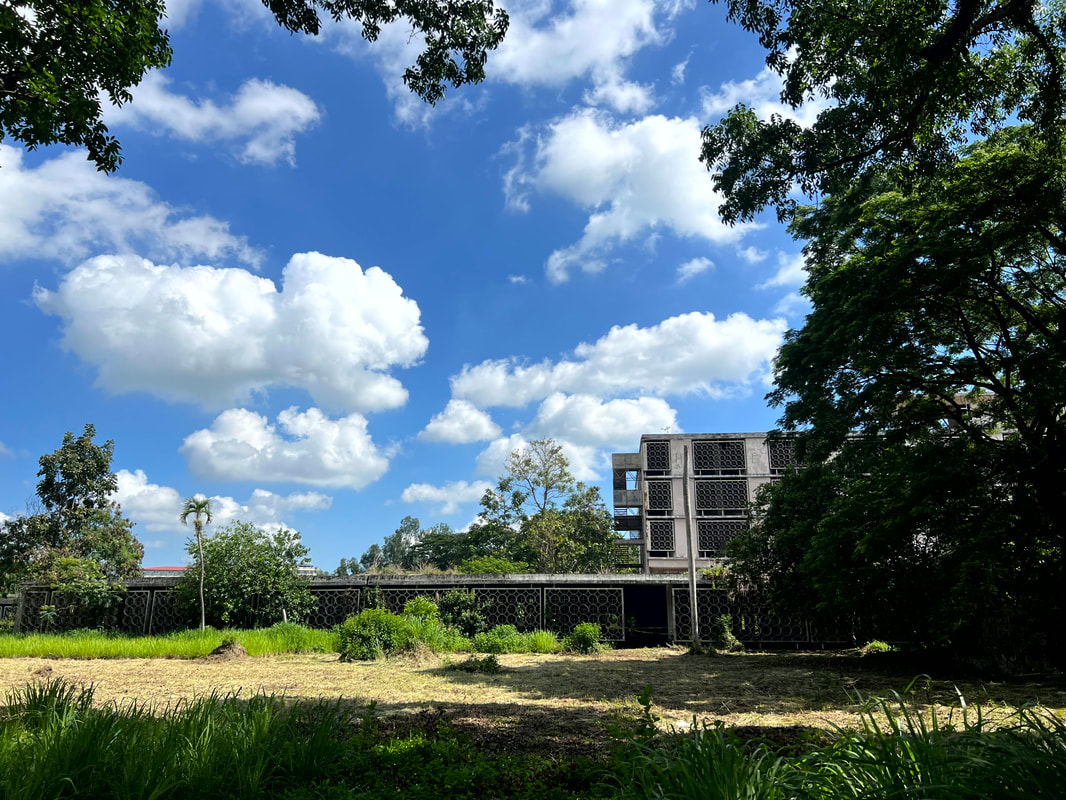
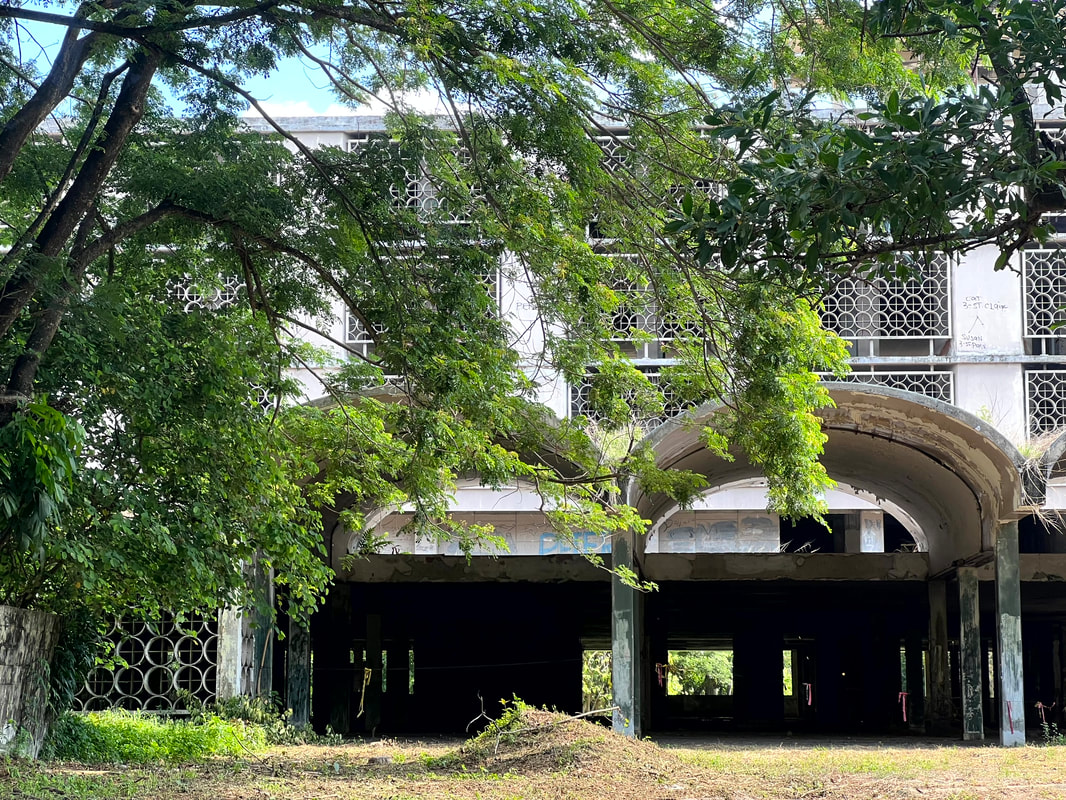
The camp was turned into a national memorial with an obelisk as its centerpiece. A marble wall has the names of Filipinos who were imprisoned here engraved on it. A boxcar is on display in one of the areas in the park. The car was where survivors of the march were packed to be transported from San Fernando, Pampanga to the camp. Trees were planted to symbolize the number of deaths inside the camp. The shrine does not have paranormal stories but the pain, suffering, and death associated with this destination qualify it as a dark tourism spot worth visiting. Clark Abandoned Hospital, Pampanga The Clark Abandoned Hospital is said to be one of the most haunted places in the world. It started construction in 1960 and was envisioned to be a modern regional medical facility. The hospital saw the pain and casualties of the Vietnam War where injured military personnels were treated, with some of them dying in the facility. The hospital was left abandoned when Mount Pinatubo erupted in 1991, and with it are the souls that is said to continually haunt the place.
I had the chance to explore the hospital from a distance since entry to the hospital requires permission. It does have an eerie vibe as I took pictures of its facade. You get the sense as if someone is watching you from the inside as you are engulfed by the sound of the wind and rustling leaves. The hospital is now being re-purposed to house the National Museum of the Philippines-Pampanga. I wonder what stories would be shared once the new museum opens its doors. You can read about my Clark adventures here: A Bit of Clark Fort Santiago, Intramuros, Manila The Walled City of Intramuros will always have a spot in PH dark tourism. Its history has seen both sides of the story - the glorious and the painful ones. Its walls were mute witnesses to the horrors of colonialism and wars. From civilians to political foes, the old Manila has remnants and monuments to remind us of its past.
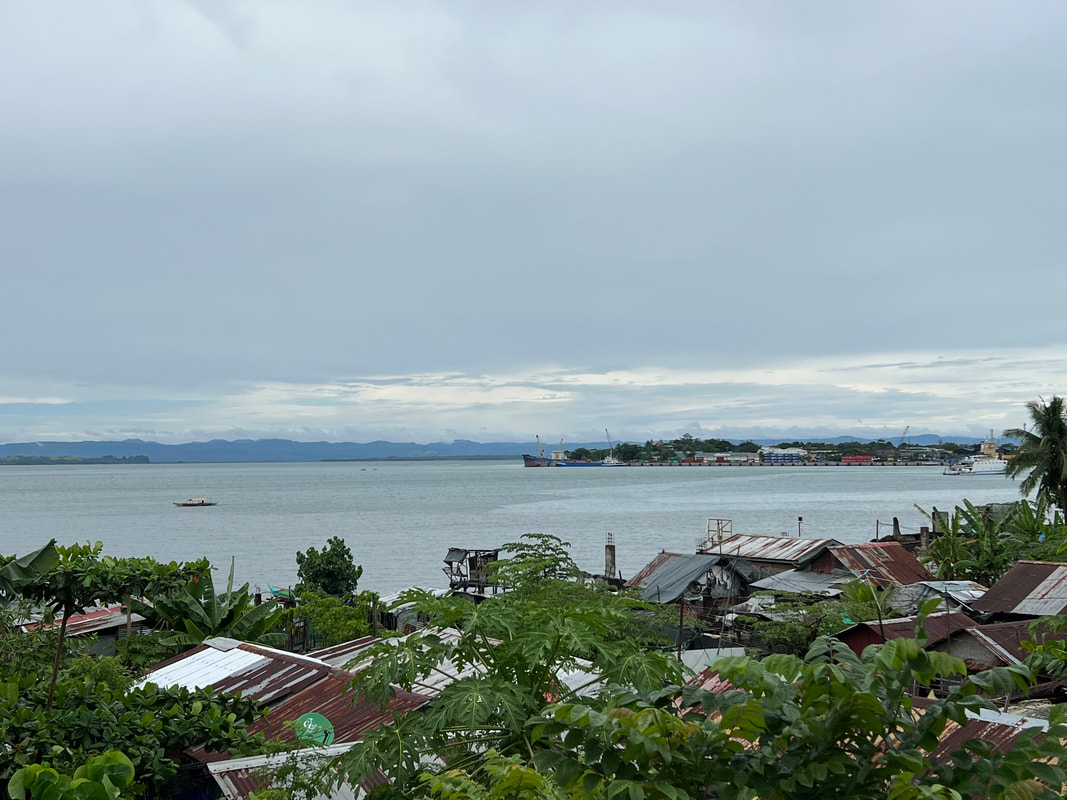
The dungeons of Fort Santiago had seen the horrors of suffering and painful deaths. Walking around the area gives you a hair-raising experience with the feeling that someone is watching or following you. The cold and dark dungeons, matched by its stories, is enough to give a scare. I have seen Intramuros during the day and I think exploring it at night is going to be a different experience. Read about my Intramuros adventures here: #ExploreManila: Intramuros (The South Wall) M/V Eva Jocelyn Shrine, Tacloban City Tucked along the populated city coast of Tacloban City is a shrine that honors the thousands who died during the onslaught of the Typhoon Yolanda - the M/V Eva Jocelyn Shrine. The ship was one of the massive ships that ran aground during the height of the typhoon, slamming onto the residential coast of the city resulting to 11 deaths. The bow was made into a shrine and is one of the memorials honoring the thousands of lives lost due to the government’s ineptness.
Tacloban City has already rebuilt from the devastation of Yolanda and, for the thousands of unidentified lives lost, memorials have been built to remember them. Does these spirits haunt the city? We will never know. A cry for help or a silhouette of a spirit may have already been drowned out by the sounds and sights of the city. What remains though is the haunting of how government incompetence have caused thousands of Filipino lives lost. You can read about my Tacloban adventures here: #GOT64Leyte: TaTacloban! POST TRAVEL NOTES The belief in the afterlife has always been ingrained in Filipino culture. From the hanging coffins of Sagada to the Death Mask of Iloilo to the intricate designs of Spanish-period camposantos to stories of haunting rooted in a town’s history, we have always shared these stories with family and friends. We have gathered to share these stories that either gave us goosebumps and even a hearty laugh. Interestingly, we will continue to share the experience as we continue to celebrate our culture that connects both the living and the dead.  Our next destination is in Guimaras! Filipino culture is diverse and colorful. From north to south, we have a variety of beliefs that make each of our group different. One thing remains true in all of us Filipinos - our strong familial ties that bounds us. Family remains family from life to the afterlife. #MahalinNatinAngPilipinas Shoutout to my travel buddies - HULL & STERN Dry Bags for keeping my stuff safe and dry during my travels. Get 5% off on your Hull & Stern dry bag purchase on the Hull & Stern website when you use the code - marc7del.
0 Comments
Leave a Reply. |
Marc del Rosario
I believe in education, entrepreneurship, and caring for the environment. 
Archives
November 2026
|








 RSS Feed